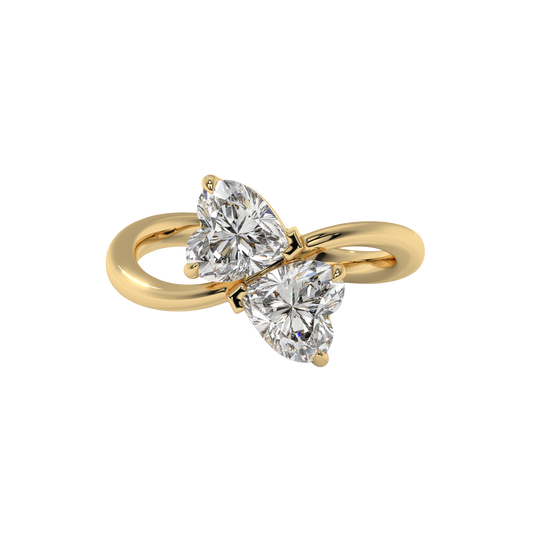
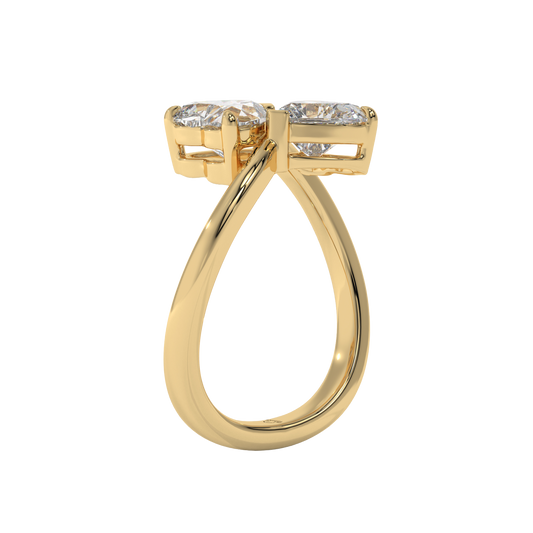
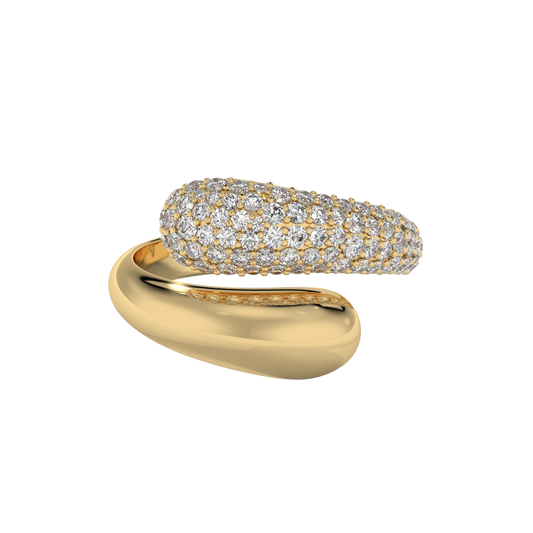
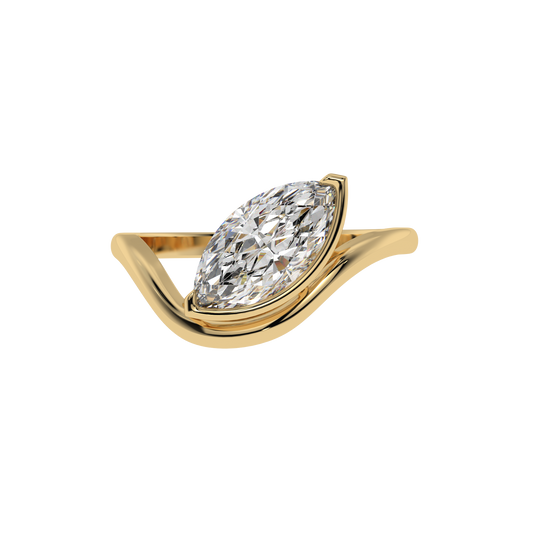
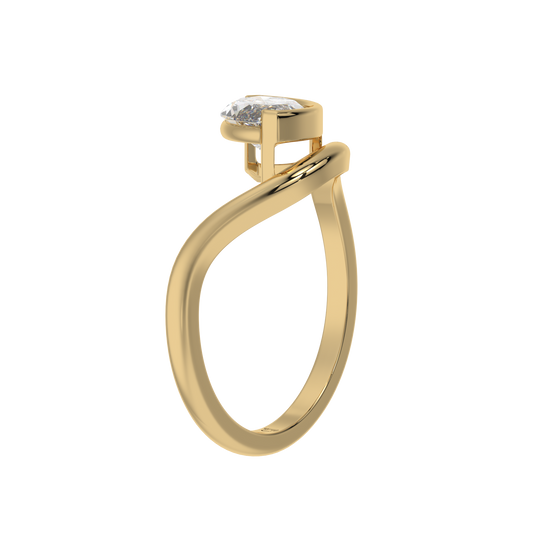
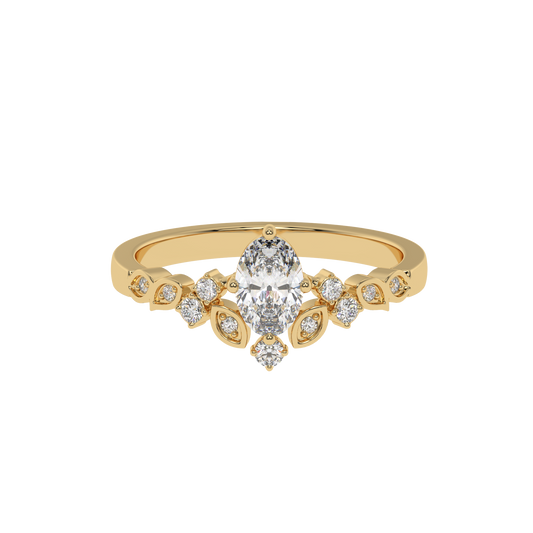
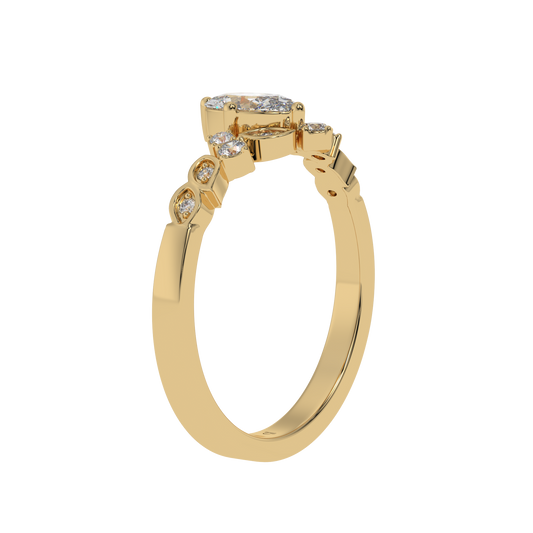
The 4C grading system was established by the Gemological Institute of America to create a consistent and objective way to evaluate diamonds worldwide. Today, these standards are used to assess both natural and lab-grown diamonds — ensuring transparency, comparability, and confidence in every purchase.
If color speaks to rarity and clarity to purity, cut speaks to life.
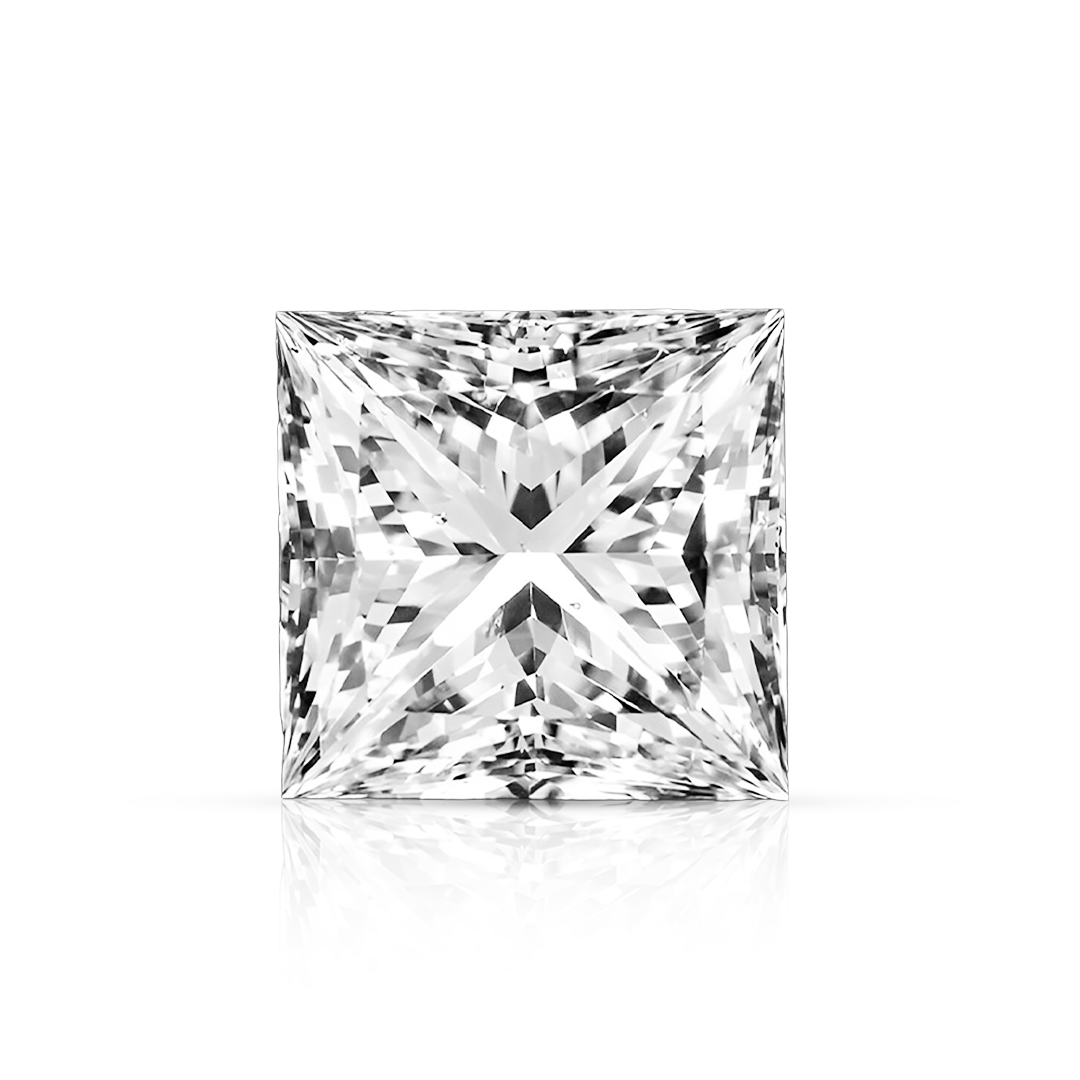
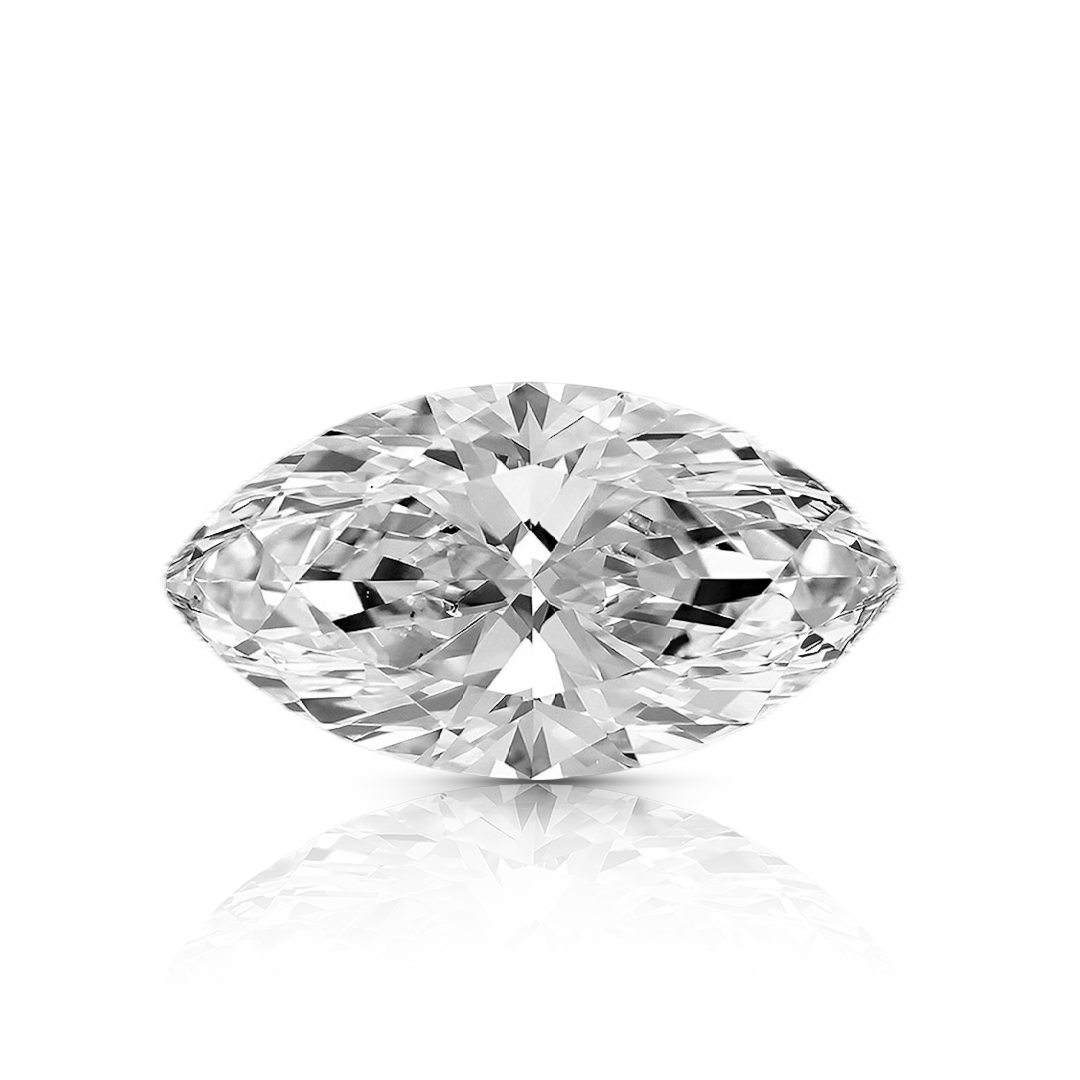
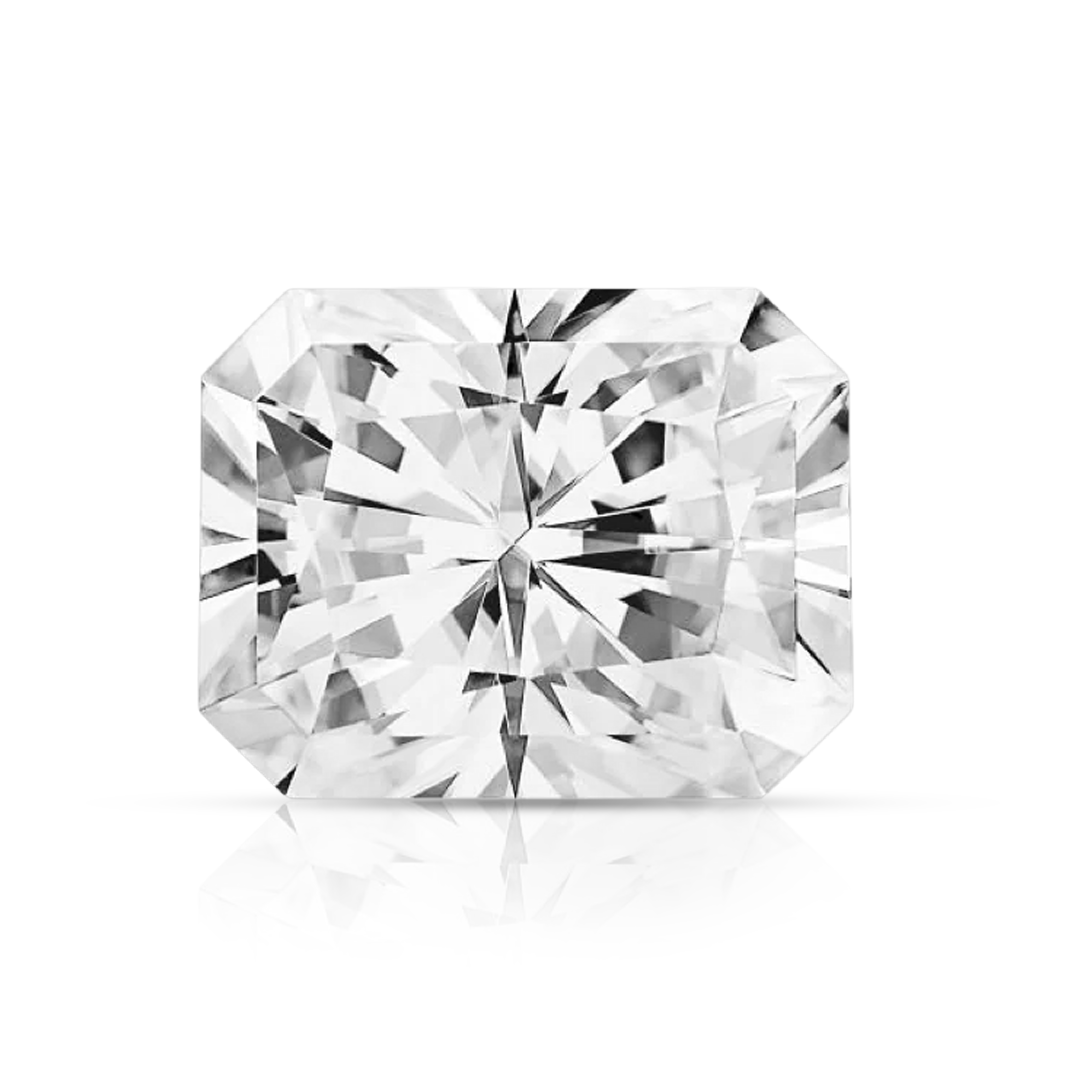
Cut is the only one of the 4C’s influenced entirely by human craftsmanship. It determines how light travels through the diamond — how it enters, reflects internally, and returns to the eye as brilliance.
A masterfully cut diamond produces three visible effects:
Brilliance — the return of white light
Fire — flashes of spectral color
Scintillation — sparkle in motion
Even a large diamond can appear lifeless without precision cutting. Conversely, a perfectly proportioned cut can elevate a diamond’s presence beyond its carat weight.
How Cut Is Evaluated
Cut quality considers proportions, symmetry, and polish. When proportions are balanced, light reflects from facet to facet and exits through the top of the stone, where brilliance is most visible. Cuts are graded from Excellent to Poor.
While most diamonds appear white, subtle variations in tone can exist. Diamond color measures the absence of visible tint — particularly yellow or brown undertones.
The closer a diamond is to pure colorlessness, the rarer it becomes.
Color grading follows a scale from D to Z:
D represents absolute colorlessness.
Z indicates noticeable warmth.
What makes EF diamonds exceptional is their balance. They fall within the colorless category, offering a crisp, luminous appearance without detectable tint to the naked eye.
Why Color Matters
Color directly affects how light is reflected. Higher color grades enhance brightness and visual sharpness, especially in white gold and platinum settings.
Every diamond is formed under immense pressure — whether deep within the earth or within advanced laboratory conditions. During this process, natural characteristics may form inside the stone.
These are known as inclusions.
Clarity evaluates their presence, size, placement, and visibility.
It is important to understand:
Clarity is not about perfection — it is about visual purity.
How Clarity Is Assessed
Diamonds are examined under 10× magnification to determine grade.The clarity scale ranges from Flawless (rare) to Included.
What is the most important of the 4Cs when buying a ring?
Cut is generally considered the most important because it directly impacts sparkle. A well-cut diamond reflects light beautifully, even if its color or clarity is slightly lower. That said, the “most important” C ultimately depends on what matters most to you — brilliance, size, or purity.
Is it worth buying a diamond with flawless clarity?
For most buyers, no. Flawless diamonds are extremely rare and priced accordingly, but many VVS or VS diamonds appear identical to the naked eye. You’re often paying for rarity rather than visible difference.
Do all diamonds come with certification of the 4Cs?
Not all diamonds are certified, but important center stones typically are. Certification from a reputable gemological laboratory verifies the diamond’s cut, color, clarity, and carat weight, giving you transparency and confidence in your purchase.
What’s the difference between diamond shape and “cut”?
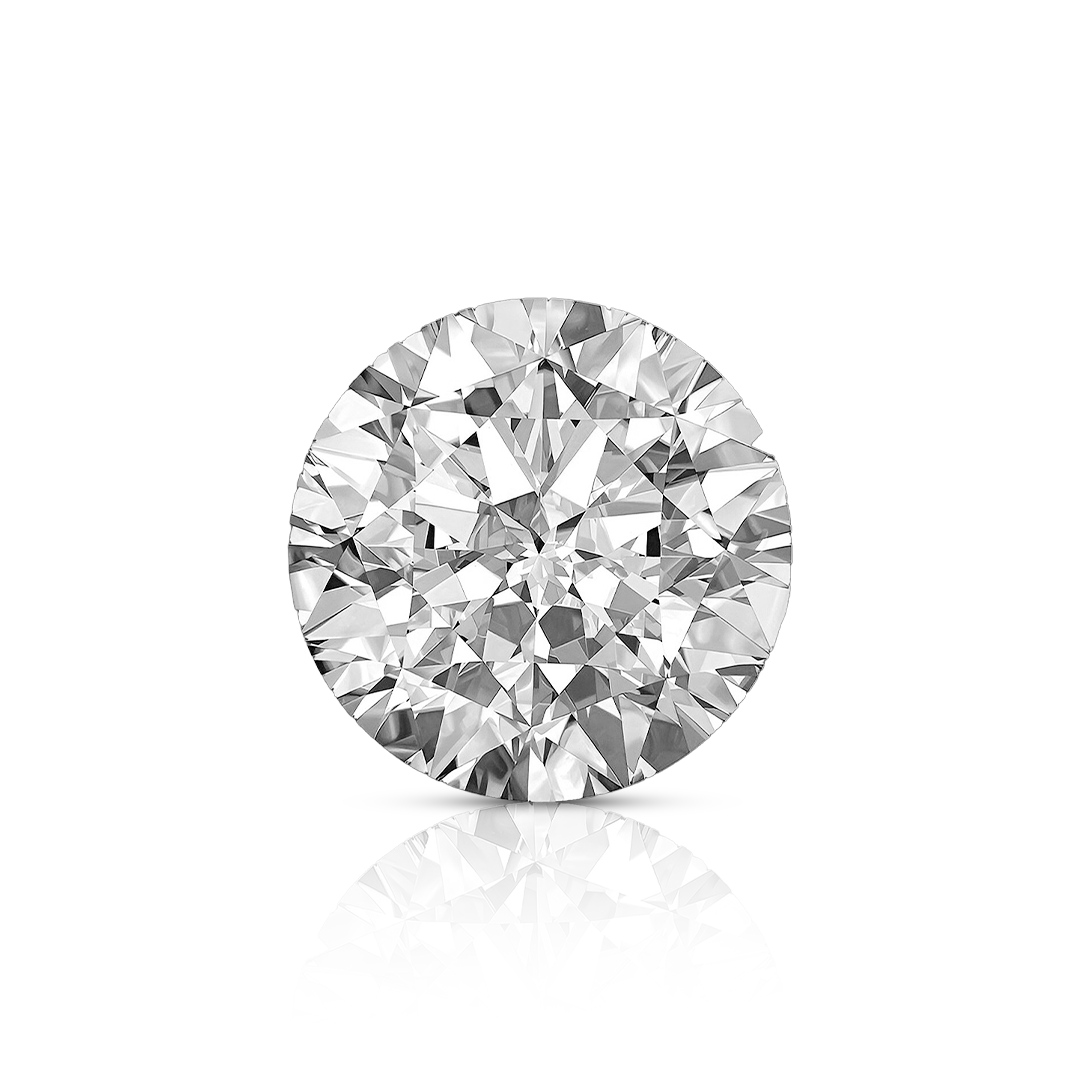
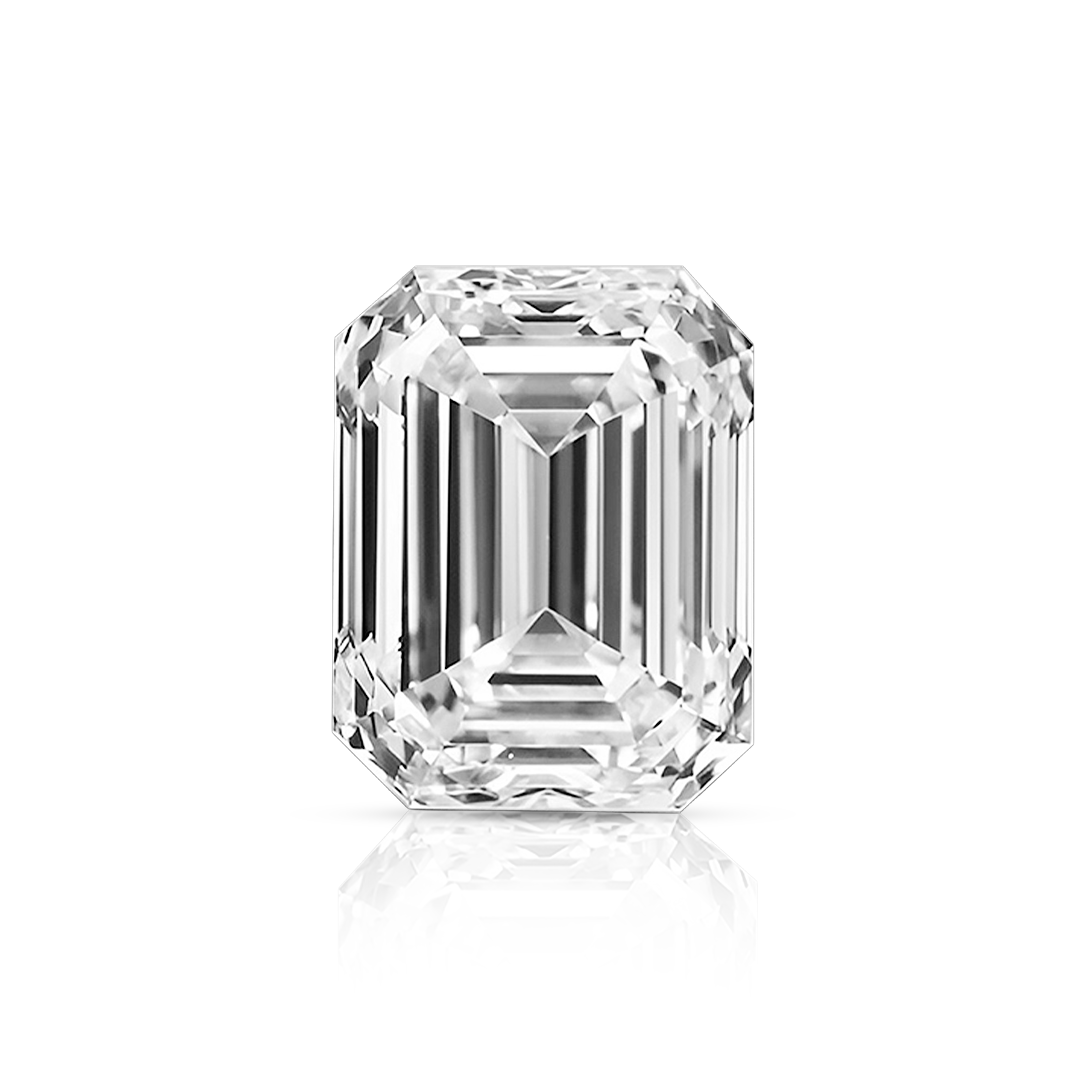
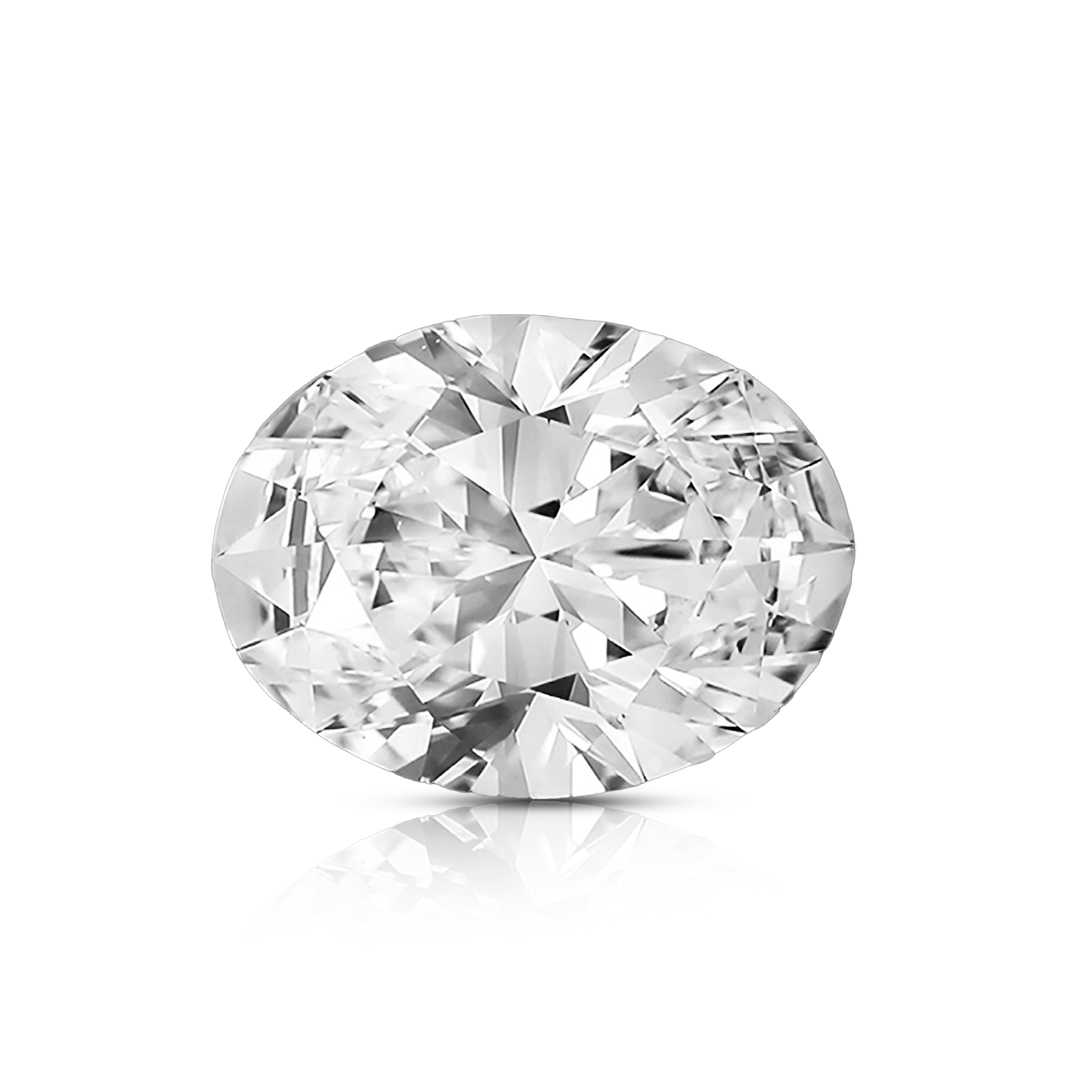
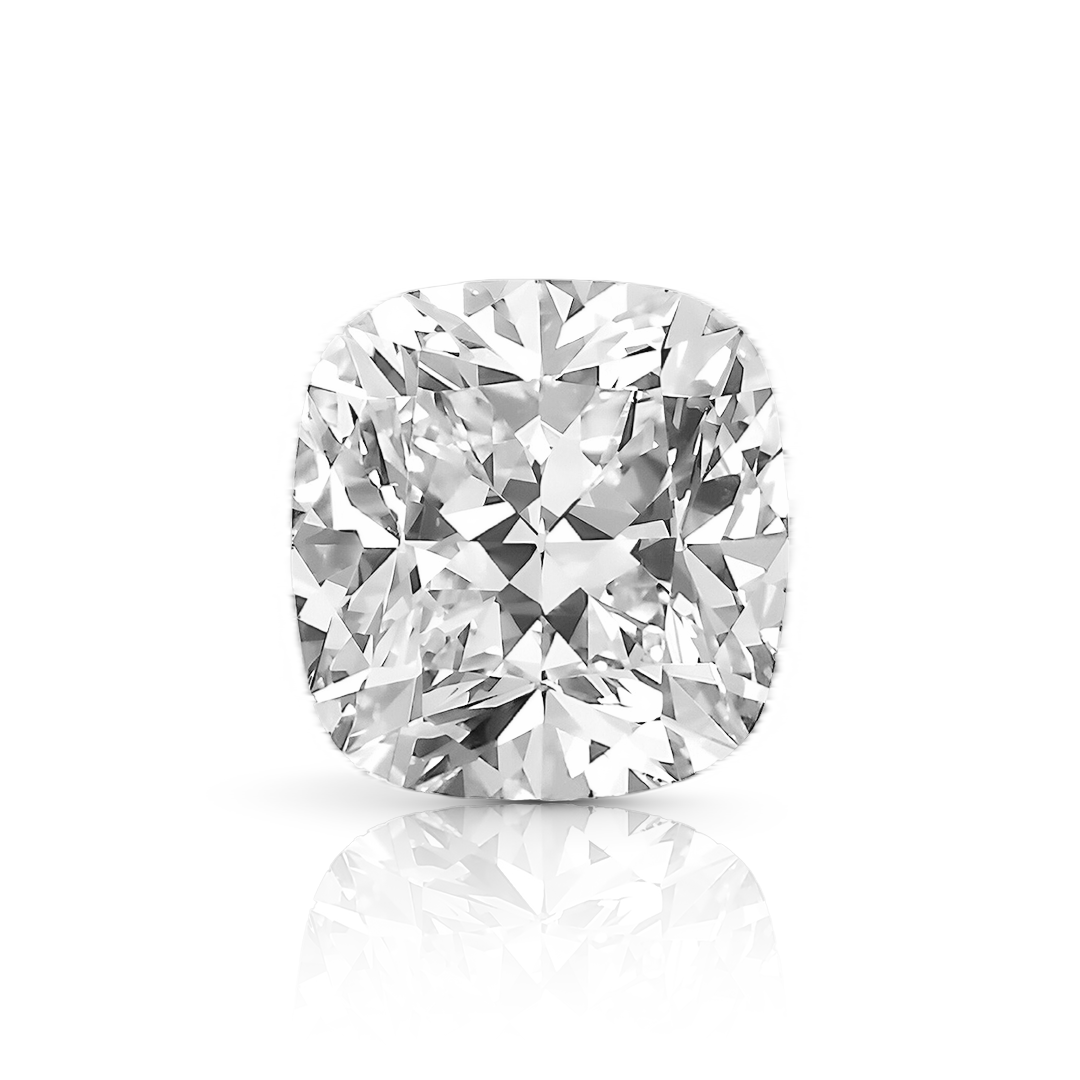
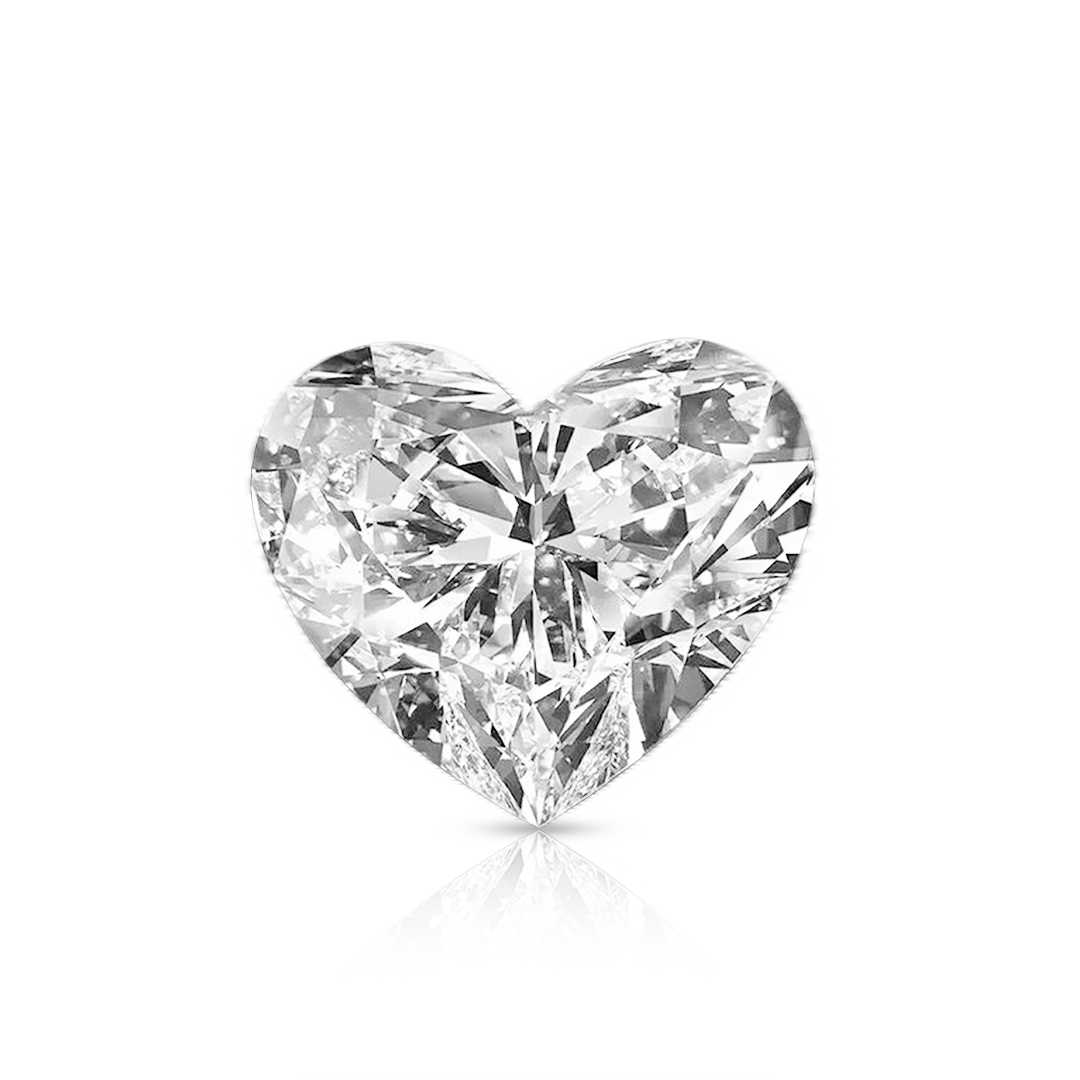
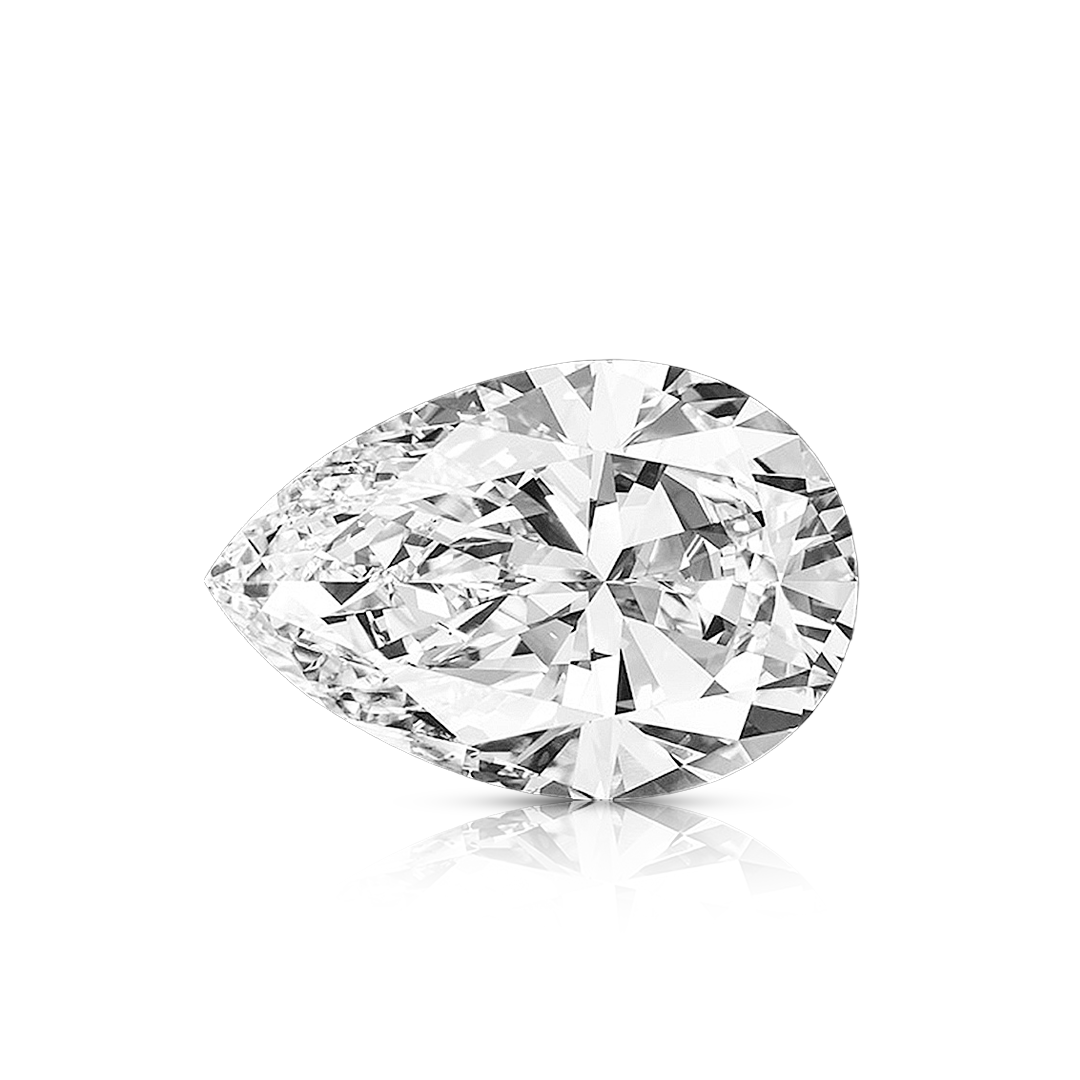
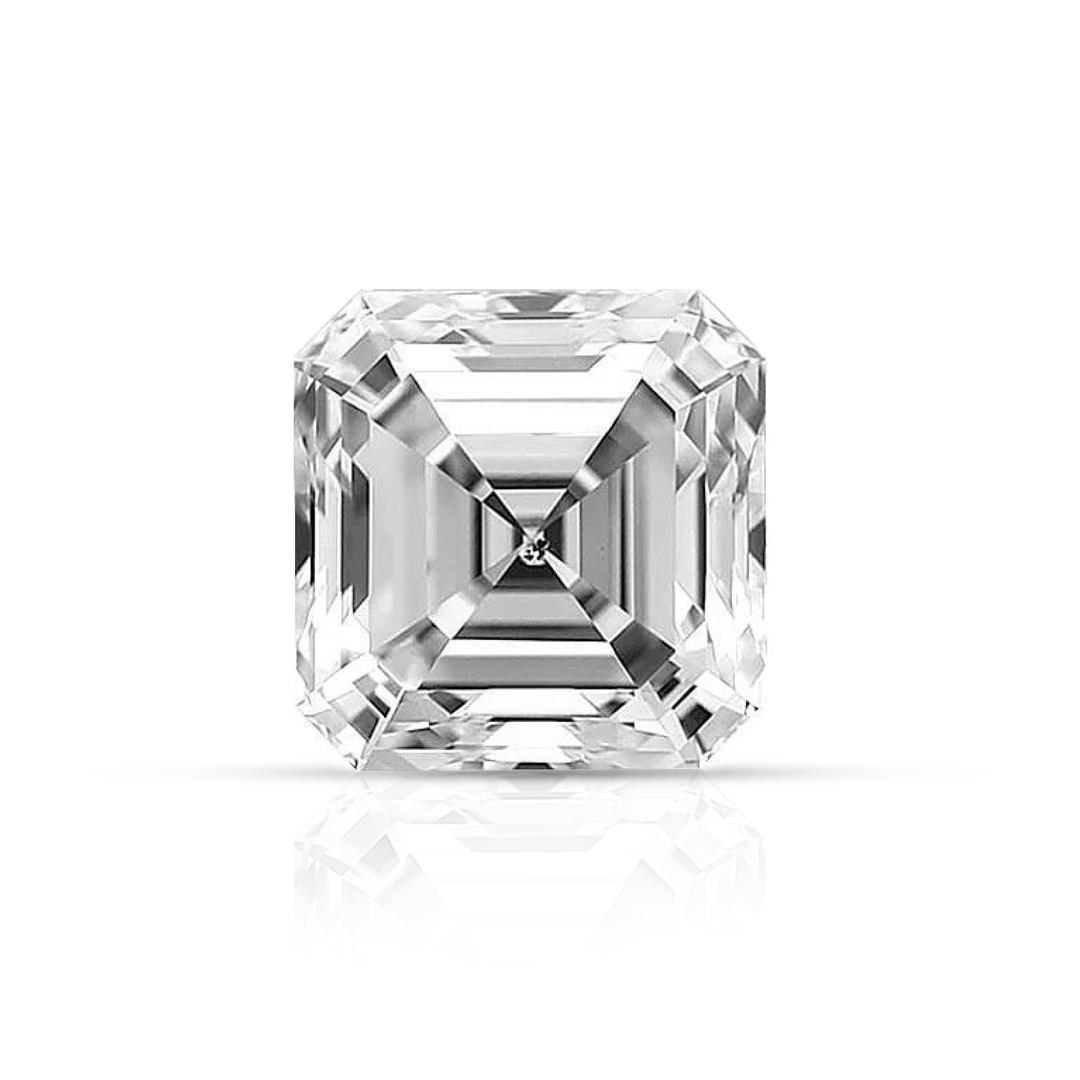
Shape refers to the outline of the diamond — round, oval, cushion, etc. Cut, within the 4Cs, refers to how well the diamond’s facets are proportioned and finished. Shape affects style. Cut affects sparkle.
How do I balance the 4Cs within my budget?
Most buyers prioritize cut first, then adjust color, clarity, or carat depending on preference. Choosing slightly lower color or clarity grades that still appear clean can allow you to increase size without sacrificing beauty.
Why does diamond color matter?
Color measures how colorless a diamond appears. Higher grades look brighter and crisper, especially in white metal settings. Lower grades may show subtle warmth.
Why does diamond cut matter?
Because cut controls how light moves through the diamond. Without proper proportions, light escapes through the bottom instead of reflecting back to your eye — reducing brilliance.
What’s the 5th C?
Many consider Certification or Confidence to be the 5th C. A certified diamond provides documented proof of its grading and authenticity.
The Caratlink Standard
We refine our selection to offer only diamonds that meet elevated aesthetic and quality benchmarks.
We use cookies to enhance your browsing experience, serve personalized ads or content, and analyze our traffic. By clicking "Allow cookies", you consent to our use of cookies. More infor
Thanks for subscribing!
This email has been registered!
Sorry! Products are not enough.
Recipient email can't be blank.
Send on must be within 90 days from now
Thank you for registering! We will notify you by email when it is back in stock.