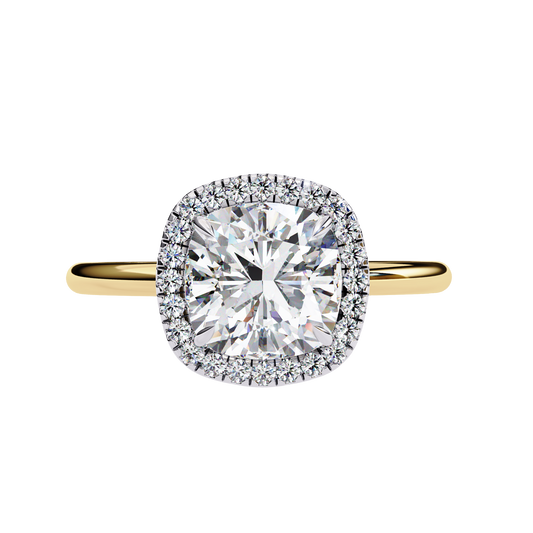
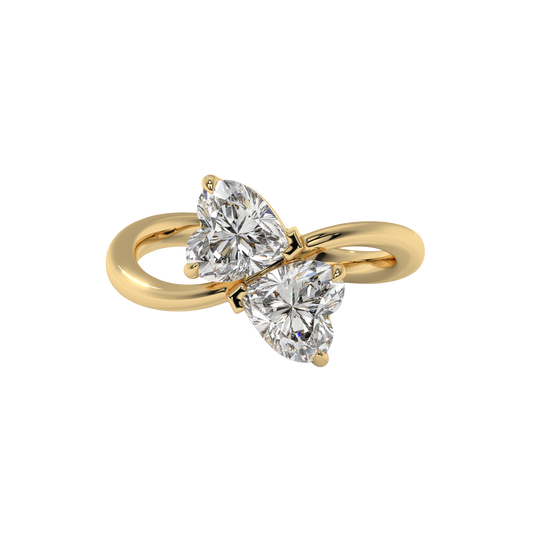
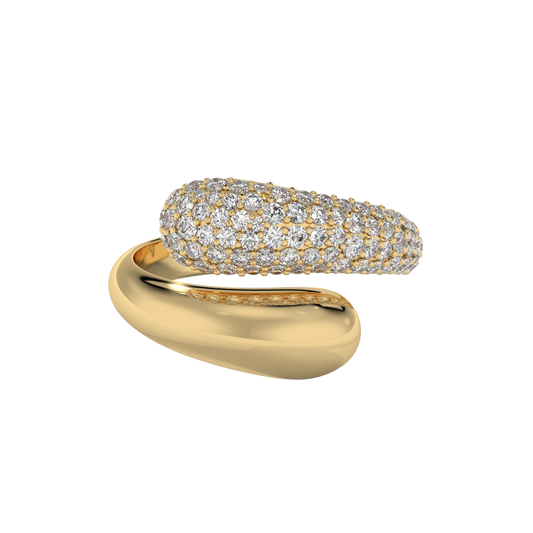
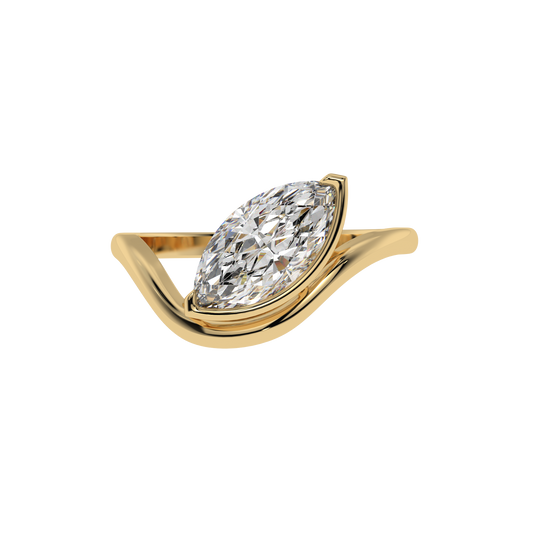
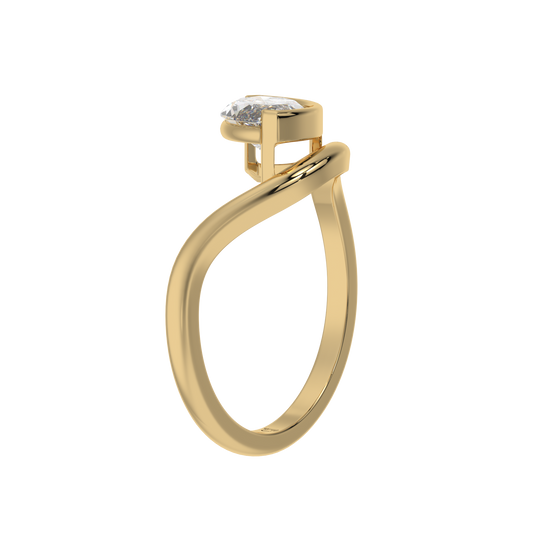
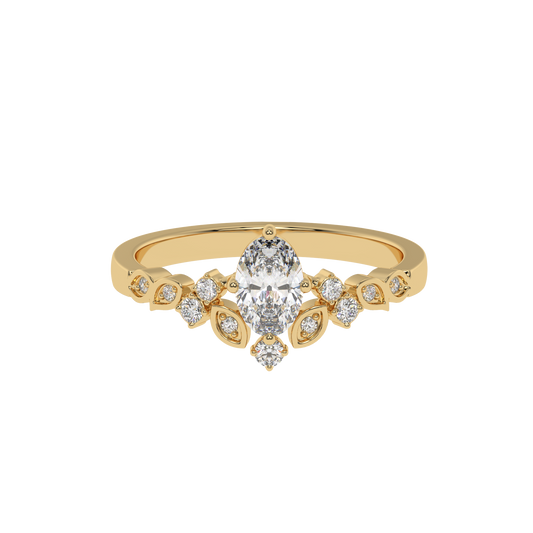
Natural diamonds are rare gemstones formed deep within the Earth over billions of years, admired for their brilliance, durability, and timeless symbolism.
Natural diamonds are precious gemstones formed deep within the Earth under extreme heat and pressure over billions of years. Their natural origin and rarity make them one of the most treasured gemstones in the world. Each natural diamond is created through powerful geological processes that transform pure carbon into a brilliant crystal structure. This natural formation gives diamonds their exceptional sparkle, strength, and timeless appeal. Unlike lab-grown diamonds, natural diamonds are created entirely by nature, making every diamond unique and truly one of a kind.
Why Choose Natural Diamonds?
Rarity & Value
Natural diamonds take billions of years to form and exist in limited supply. Their rarity is one of the reasons they remain highly valued across generations.
Natural Beauty
Every natural diamond is unique. Its brilliance, fire, and natural sparkle create a beauty that has fascinated people for centuries.
Exceptional Durability
Diamonds rank 10 on the Mohs hardness scale, making them the hardest natural material on Earth and ideal for jewelry worn every day.
Natural diamonds and lab-grown diamonds share the same chemical composition and brilliance. Both are made from pure carbon and display the same sparkle and durability.
The main difference is their origin. Natural diamonds form deep within the Earth over billions of years, while lab-grown diamonds are created in laboratories using advanced technology.
Natural Diamonds
Formed deep within the Earth’s mantle
Created over billions of years through natural geological processes
Naturally rare and limited in supply
Traditionally valued for their rarity and timeless origin
Lab-Grown Diamonds
Created in advanced laboratory environments
Produced in a few weeks using modern technology
More widely available due to controlled production
Often chosen for their affordability and modern origin
How Natural Diamonds Are Formed
Natural diamonds begin their journey deep within the Earth’s mantle where intense heat and pressure transform carbon into crystal structures.
Step 1 – Carbon Formation
Carbon exists deep inside the Earth under extreme conditions.
Step 2 – Heat & Pressure
High temperatures and intense pressure transform carbon atoms into diamond crystals.
Step 3 – Volcanic Movement
Volcanic eruptions push diamonds closer to the Earth's surface.
Step 4 – Kimberlite Deposits
Diamonds become trapped inside volcanic rock formations called kimberlite pipes, where they are later discovered.
Natural Diamond Facts
Diamonds are made entirely of carbon atoms.
They are the hardest natural material found on Earth.
Natural diamonds can take 1 to 3 billion years to form.
Only about 30% of mined diamonds are considered gem quality.
Diamonds were first discovered in India over 2,000 years ago.
Their brilliance comes from their ability to reflect and refract light.
Buying Natural Diamond Jewelry
Natural diamonds are used in many fine jewelry pieces and are perfect for meaningful gifts and special occasions.
Yes. Natural diamonds are real diamonds formed naturally inside the Earth.
Are natural diamonds rare?
Yes. Natural diamonds require extremely specific geological conditions to form, making them limited in supply.
How much is a natural diamond worth?
The value of a natural diamond depends on the 4Cs — cut, color, clarity, and carat weight, which determine its quality and price.
What is the difference between natural and lab-grown diamonds?
The main difference is their origin. Natural diamonds are formed in the Earth, while lab-grown diamonds are created in laboratories using advanced technology.
Are natural diamonds good for engagement rings?
Yes. Natural diamonds are one of the most popular choices for engagement rings because of their durability, brilliance, and timeless symbolism.
We use cookies to enhance your browsing experience, serve personalized ads or content, and analyze our traffic. By clicking "Allow cookies", you consent to our use of cookies. More infor
Thanks for subscribing!
This email has been registered!
Sorry! Products are not enough.
Recipient email can't be blank.
Send on must be within 90 days from now
Thank you for registering! We will notify you by email when it is back in stock.